Getting started
AI influencer generator
What the generator does, how it works in three steps, what makes a generated character usable, its limits and what it costs.
Guide · By the AI Cast Studio team · Updated Sep 28, 2026
AI influencers are all over your feed: characters that don't exist, pulling real views and, for some, real brand deals. You want in. Here's the whole path, from one sentence to a character posting every week, without touching prompts, seeds or lip-sync apps.
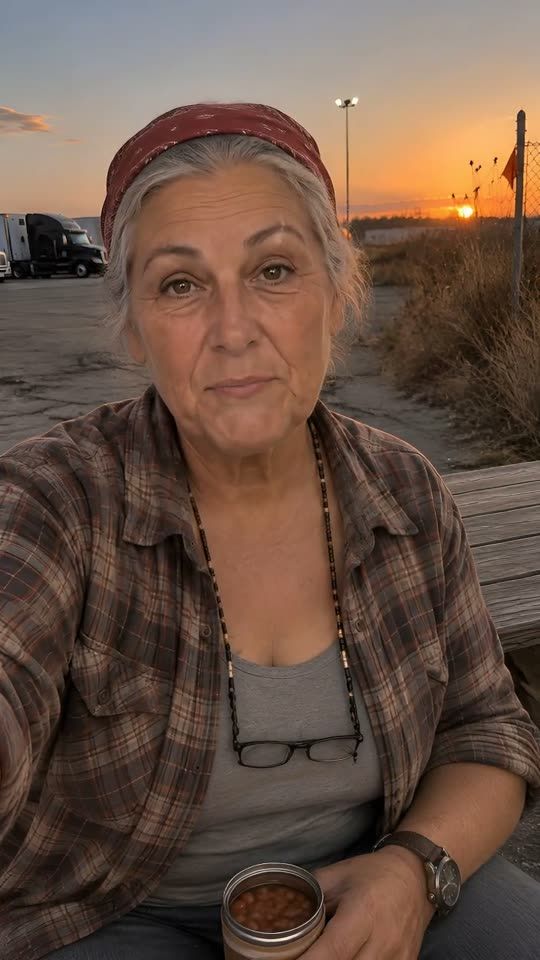
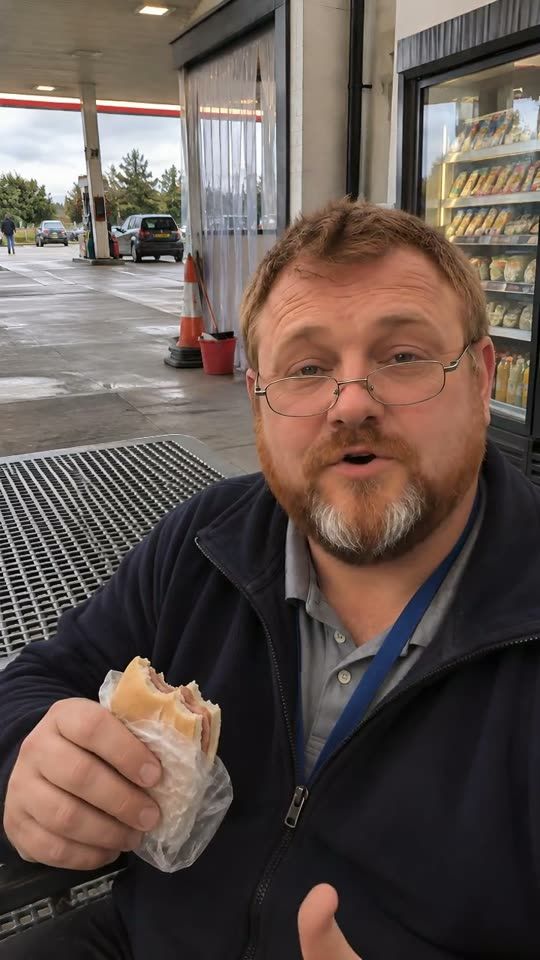
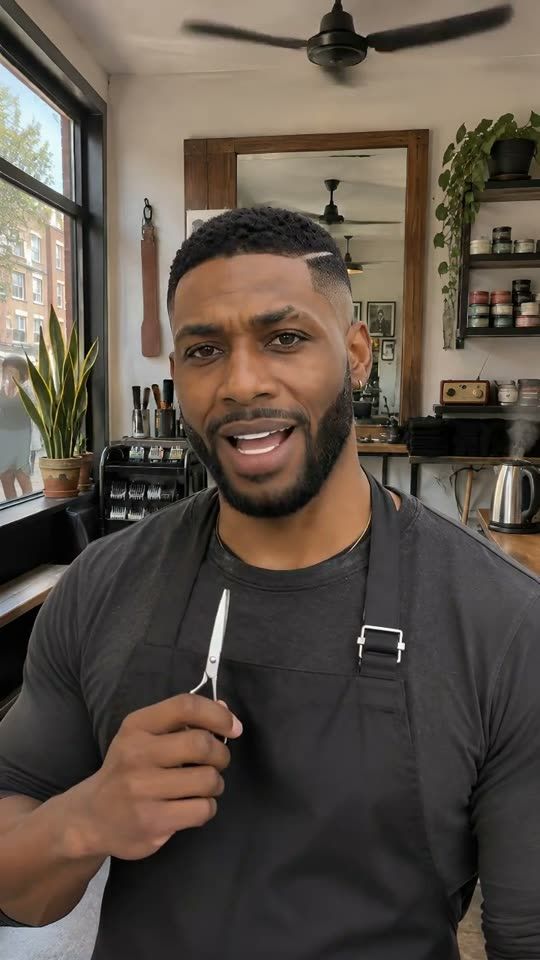
An AI influencer is a fictional creator whose face, voice and videos are made with AI. They post like a person, with a niche, a personality and a steady format. People run them to grow channels and earn from brand deals, affiliate links and their own products, without being on camera.
Unedited output from AI Cast Studio. Tap any one to hear them.
One app for the face, another for the voice, a third for lip sync, a fourth to edit. Prompts full of "masterpiece, 8k". A seed that worked yesterday. A video where she suddenly looks like her cousin. This is where most people quit, before a single post.
Seven steps, in the order that saves the most redos. Every example below is a real character made in AI Cast Studio.
Write one sentence: who they are, who they talk to, what they help with. Give it to an AI influencer generator like AI Cast Studio and the specific version hands you an age, a voice, a niche and a format you can repeat for months.
No niche yet? Start from these faceless TikTok ideas. What the tool does, on one page: the AI influencer generator.
This is where do-it-yourself attempts break. One good portrait is easy; the same face in video after video is the hard part, and it's what makes followers feel they know someone. Here are Mace and Frankie, three different videos each.





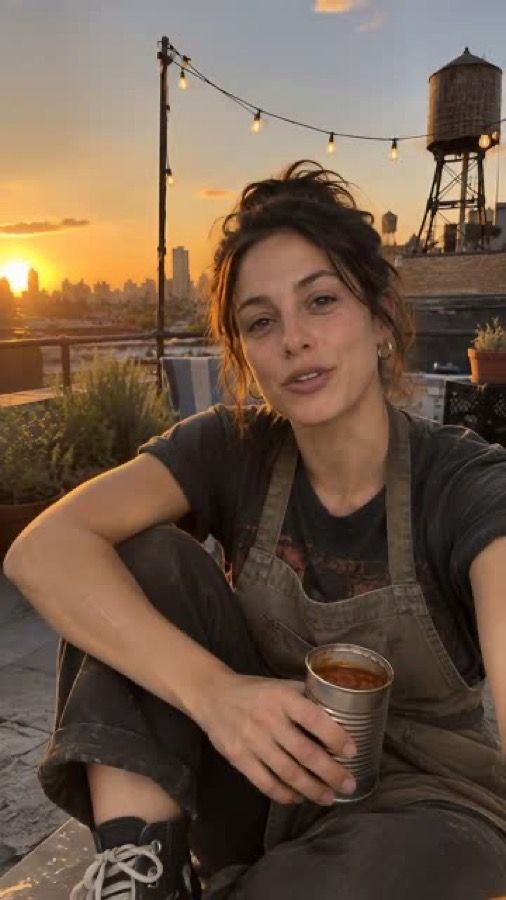
A video depends on the voice. Match age, region and energy to the character, then keep that exact voice in every video. AI Cast Studio writes a line in their voice and auditions three voices reading it. You pick one.
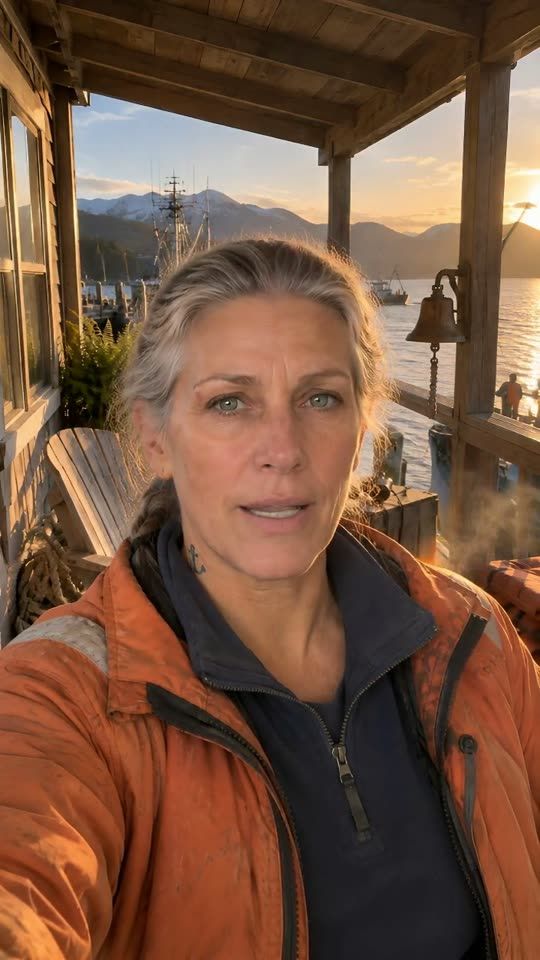
Short videos are won in the first line. One hook, one idea, a sign-off they always say. Write the way the character talks, not the way a brand writes. Start from your own idea or your own words: the studio writes the script in their voice, and you tweak it before anything films.
You pick the script. The studio plans the shots as a storyboard: a frame for each shot, with the talking lines running as one take. You look over the frames, change any you do not like, then film it. Each shot is filmed to its part of the voiceover and cut together with captions.
Platforms ask for AI labels, and US rules on paid endorsements still apply when the face is AI. Labeling lowers the risk of takedowns and lost deals. The bio the studio writes for every character includes an AI disclosure.
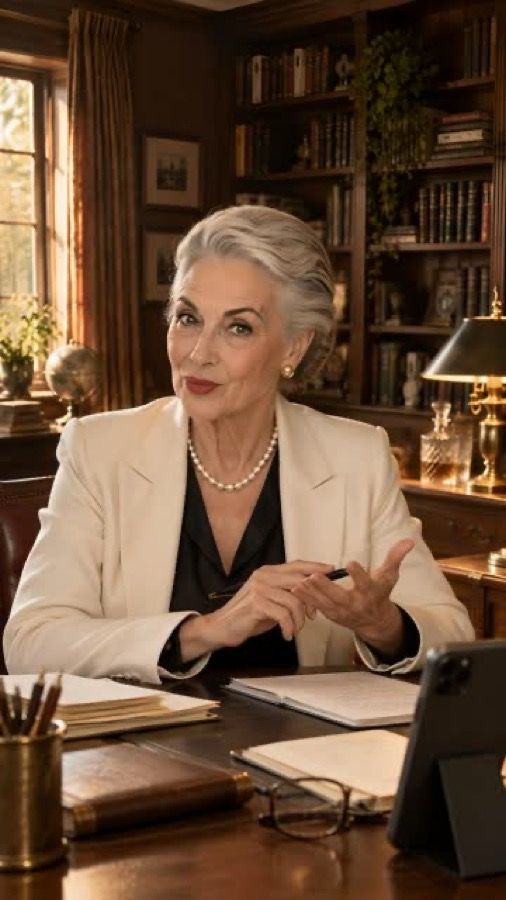
Pick a format you can repeat: a weekly rating, a myth-buster, a story from their past. A steady three a week builds more than a burst of ten, then silence. Followers come back for the person; brands pay for consistency. Here's a week of Tayo.
Describe your character here. Sign in and their story and a first portrait are free to see; a plan makes the rest.
None of this is guaranteed, and none of it is new: it's how every creator gets paid. The difference is you can run a character, or five, without ever being on camera.
Give your brand its own character for customer-style product videos, at $4.01 per 20-second video instead of booking a creator for every one. Your character can demonstrate and explain a product, clearly labeled as AI, with no invented personal results or testimonials.
You pay for two things: creating a character (46 credits, one price) and making video (its storyboard and filming, and music if you add it). Writing scripts and downloads are free; each character includes 3 free changes, then 12 credits a change.
Cancel anytime. See all plans
Not fully. You can type a description here with no account, and their story and a first portrait are free to see once you sign in. Creating the character fully takes a plan and 46 credits, and filming uses more. Writing scripts and downloading are free.
It depends on the niche, the audience and how often you post, the same as any creator. Nobody can promise a number; the four paths above are how the money actually arrives.
Yes, when the content is original and labeled. Platforms limit payouts for mass-produced or unlabeled AI content, so a character with a point of view and a steady format is what qualifies.
In the US, generally yes: label it as AI, don't copy a real person's face or voice, and disclose paid posts like any creator. This isn't legal advice.
You do. The characters and videos you make are yours to use commercially, including in paid ads, under our use rules. AI output isn't guaranteed to be unique or protected by copyright.
No. Characters are fictional, and our rules forbid using anyone's face or voice without their permission.
No. The character has their own face and voice. You bring the idea and choose what goes out.
About five minutes of filming after you create them: a sentence, a voice, then a video from your idea, ready to download and post.
Getting started
What the generator does, how it works in three steps, what makes a generated character usable, its limits and what it costs.
Research
Twenty accounts you can film without showing your face, each with a first video title, and how to pick one you can keep making.
Research
Find the videos that already win in your niche, work out why, and turn their hooks and lengths into your own, by hand or with AI agents.